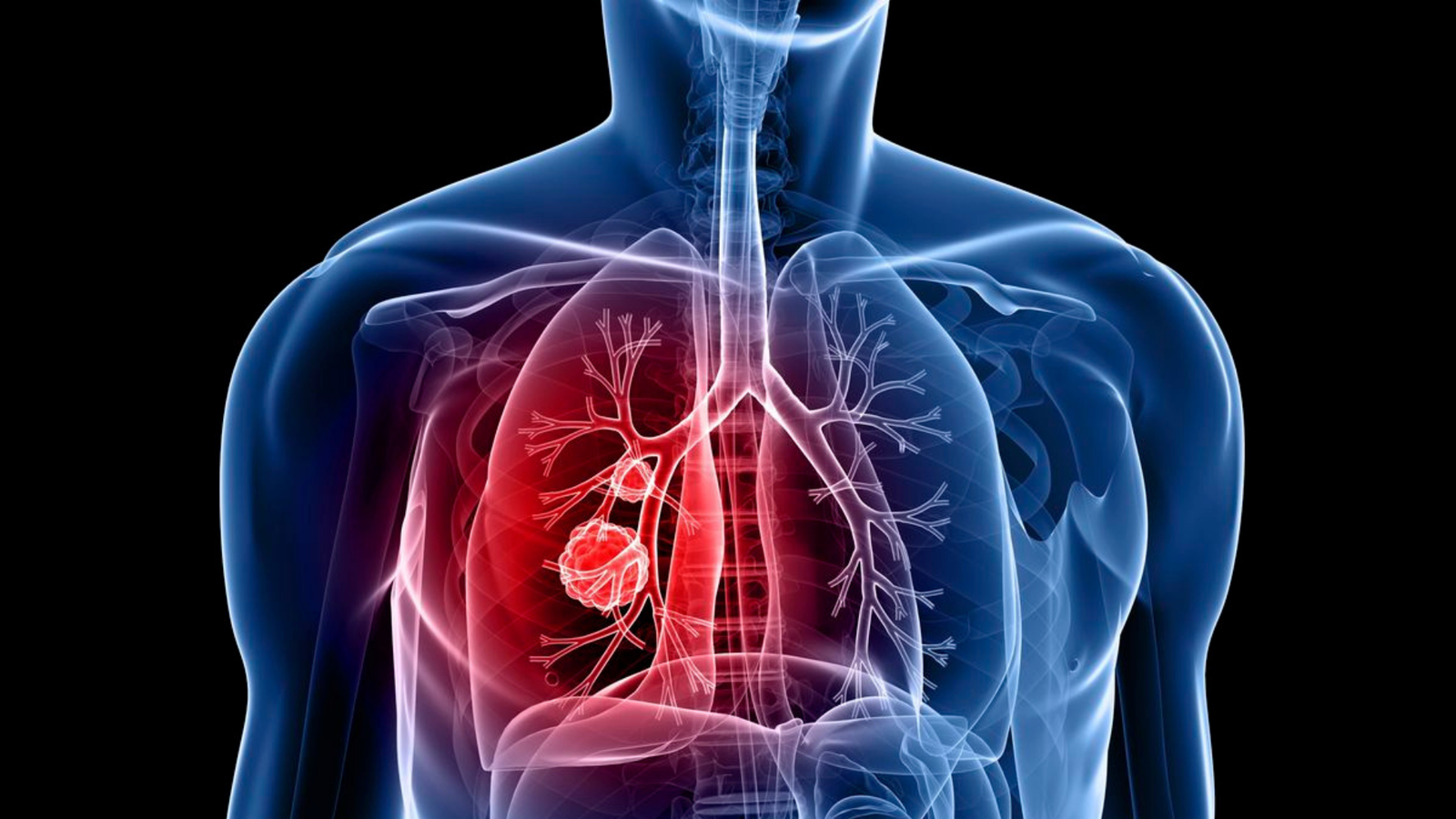
Airway inflammation is influenced by the immune system — and the immune system is influenced by food. Respiratory programmes aim to calm inflammation and reduce flare-ups.
Conditions we help with
- Allergies
- Bronchial asthma
- Interstitial lung disease (ILD)
- Allergic rhinitis
Calming the immune response
Plans identify possible food triggers, support gut health and add anti-inflammatory nutrients that help balance immunity.
Supporting lung function
Healthy weight and good nutritional status help breathing and energy, especially in chronic lung disease.
Respiratory conditions we support
Respiratory allergies
Reducing the body's over-reaction to allergens through gut and immune balance.
Bronchial asthma
Anti-inflammatory eating, healthy weight and trigger awareness to reduce attacks.
Interstitial lung disease (ILD)
Nutrition that supports lung tissue, muscle strength and energy.
Allergic rhinitis
Easing sneezing, blocked nose and seasonal flare-ups.
Conditions and clinical focus
| Condition | Main problem | Care focus |
|---|---|---|
| Allergies | Immune over-reaction | Gut–immune balance |
| Bronchial asthma | Airway inflammation | Anti-inflammatory nutrition |
| ILD | Lung tissue scarring | Tissue support, muscle strength |
| Allergic rhinitis | Nasal inflammation | Trigger reduction |
Why choose Dr. Jai Vora for respiratory illness
Inflammation control
Calmer airways mean fewer symptoms and flare-ups.
Immune balance
A healthy gut supports a well-balanced immune response.
Alongside your inhalers
Nutrition complements prescribed medicines; it never replaces them.
How your respiratory illness programme works
- 1
Share your reports and history on WhatsApp or through the assessment form.
- 2
Consult Dr. Jai personally by video call and agree on your programme.
- 3
Follow your personalised plan with weekly reviews and daily support.
Frequently asked questions
Can diet reduce asthma attacks?
Anti-inflammatory eating and healthy weight can reduce symptoms for many people.
Which foods trigger allergies?
Triggers are personal; the plan helps identify and manage yours.
Should I stop my inhaler?
No. Always continue medicines as prescribed by your doctor.
Can diet reduce asthma attacks?
Diet does not replace inhalers, but many patients notice fewer flare-ups with better nutrition and trigger control.
Do you help with seasonal allergies?
Yes, allergic rhinitis and other allergies are part of this programme.
Further reading
Nutrition programmes complement, and never replace, treatment from your own doctors.