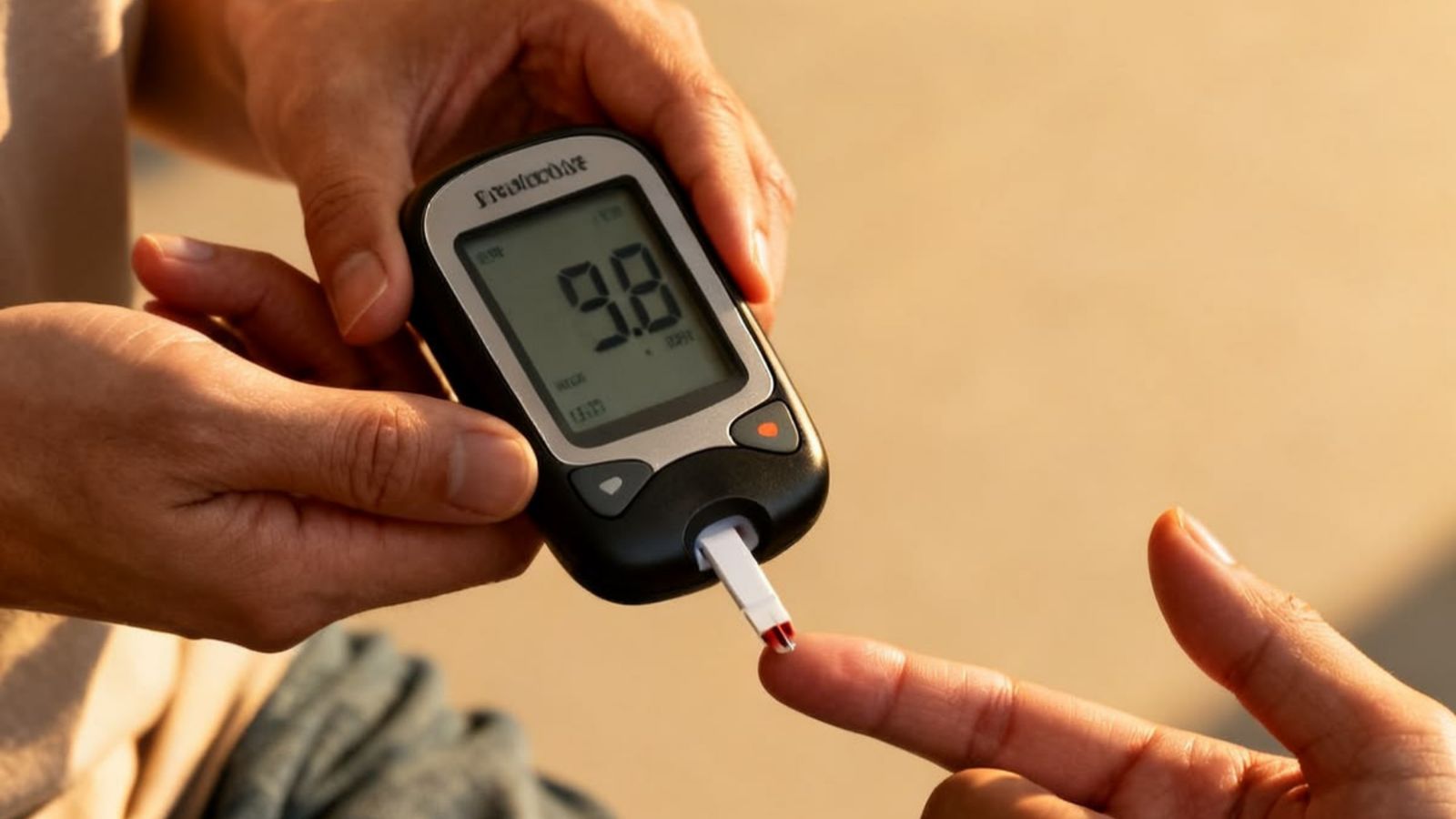
Diabetes is a whole-body condition, so its treatment has to start at the level of the cell. Dr. Jai Vora combines internal medicine with cellular nutrition to steady blood sugar, improve insulin sensitivity and protect the organs diabetes damages over time.
Conditions we help with
- MODY diabetes — affecting adolescents and young adults up to 25–30 years
- Type 2 diabetes — most common after 40
- Complications of diabetes on the heart, kidneys, eyes, nerves and feet
A diabetes diet built around your reports
Your HbA1c, fasting and post-meal sugars, lipid profile, kidney function and current medicines shape every meal plan. Foods, portions and timings are calculated for your body — not taken from a generic chart.
Working towards lower medicine dependence
Many patients see steadier readings within days of starting. As sugars improve, your treating doctor can review and reduce medicines safely; Dr. Jai coordinates the diet around those changes.
Protecting against complications
Specific protocols support kidney health, nerve function, retinal health and heart protection — the areas where uncontrolled diabetes causes the most harm.
Diabetes care for every stage
MODY & type 1 diabetes (ages 15–30)
Maturity-onset diabetes of the young is often mistaken for classic type 1 or type 2. A correct diagnosis changes everything — from medicines to meals.
- Review of family history and genetic testing where useful
- Avoiding unnecessary insulin where it is safe to do so
- Meal plans that fit college, sport and working life
Type 2 diabetes (adults 40+)
Type 2 diabetes is driven by insulin resistance. The aim is lower HbA1c, steadier daily readings and, where possible, less dependence on tablets.
- Medicine and dose review with your treating doctor
- CGM and glucometer data used to fine-tune meals
- Sustainable food and lifestyle changes
Preventing complications
Years of high sugar quietly harm nerves, kidneys, eyes and the heart. Screening and targeted nutrition protect these organs early.
- Neuropathy — tingling, nerve pain and foot care
- Nephropathy — kidney function and microalbumin tracking
- Heart, blood pressure and cholesterol co-management
What we review in your diabetes consultation
| Area | What we look at | Why it matters |
|---|---|---|
| Sugar control | HbA1c, fasting & post-meal sugar, CGM trends | Shows how well the current plan is working |
| Insulin resistance | Weight, waist, fasting insulin, lipid profile | Guides food choices and meal timing |
| Organ health | Kidney, liver, eye and nerve reports | Catches complications before symptoms appear |
| Daily life | Work hours, sleep, activity, food culture | Makes the plan realistic to follow |
Why choose Dr. Jai Vora for diabetology consults
Latest diabetology guidelines
Care follows current international diabetes standards for safe, precise blood sugar control.
Accurate diagnosis
Telling MODY apart from type 1 or type 2 avoids years of the wrong treatment.
Root-cause focus
Insulin resistance is treated at its source through cellular nutrition, not only with more medicine.
Ongoing follow-up
Regular reviews on WhatsApp and video keep your plan matched to your latest readings.
How your diabetology consults programme works
- 1
Share your reports and history on WhatsApp or through the assessment form.
- 2
Consult Dr. Jai personally by video call and agree on your programme.
- 3
Follow your personalised plan with weekly reviews and daily support.
Frequently asked questions
What should I bring to my first diabetes consultation?
Recent HbA1c, fasting and post-meal sugars, lipid profile, kidney and liver tests, a list of current medicines and, if available, CGM or glucometer readings.
Can I reduce my diabetes medicines?
Many patients are able to lower doses as sugars improve. Any change is made safely together with your treating doctor.
Is MODY treated differently from type 1 diabetes?
Yes. Some MODY types respond to tablets or diet alone, so a correct diagnosis can avoid unnecessary insulin.
Do I need to visit the clinic?
No. Consultations are 100% online by video call, phone, email and WhatsApp.
Can type 2 diabetes be reversed with diet?
Many people achieve remission or major improvement with sustained dietary change and weight loss. Results depend on how long you have had diabetes and how much insulin your pancreas still makes.
Do you treat young people with MODY?
Yes. MODY needs a correct diagnosis and a specific approach; plans are tailored to age, activity and growth needs.
Further reading
Nutrition programmes complement, and never replace, treatment from your own doctors.